


EquipMaintenX
Transforming Equipment Management into a Strategic Advantage
EquipMaintenX optimizes equipment maintenance for manufacturing and industrial sectors, leveraging predictive scheduling and automated notifications to maximize uptime and reduce costs. It turns maintenance into a strategic advantage with AI-driven precision.
The platform uses AI to monitor equipment health, predict when maintenance is required, schedule tasks during optimal windows, and notify maintenance teams or managers automatically. It shifts from reactive or fixed-schedule maintenance to a proactive, data-driven approach, minimizing downtime and extending equipment lifespan.
Explore Features
-
Traditional schedules often clash with production peaks, causing delays or rushed repairs that compromise quality, with 40% of maintenance tasks misaligned (Plant Engineering, 2024).
The platform schedules maintenance during optimal windows, ensuring 95% uptime during peak production, minimizing disruptions.
-
Manufacturers lack visibility into equipment health, leading to late detection of issues and increased risk, with 60% of failures going unnoticed until critical (Deloitte, 2024).
AI monitors equipment in real time, providing actionable insights and alerts, reducing failure risks by 25-30% through early intervention.
-
Manual or reactive maintenance often varies in quality, leading to recurring failures and safety hazards, with 10-15% of repairs requiring rework (Safety+Health, 2024).
AI-driven precision ensures consistent maintenance standards, reducing rework by 90% and enhancing safety compliance.
-
Unexpected equipment failures disrupt production, costing manufacturers millions annually. The U.S. Department of Energy estimates unplanned downtime can lead to losses of $20,000-$50,000 per hour in heavy industries.
AI-driven predictive maintenance identifies potential failures before they occur, scheduling repairs during planned downtimes, reducing unplanned outages by 20-30% (We Shield, 2024).
AI-driven predictive maintenance identifies potential failures before they occur, scheduling repairs during planned downtimes, reducing unplanned outages by 20-30% (We Shield, 2024).
-
Reactive maintenance often incurs emergency repair expenses, with costs soaring due to overtime labor and expedited parts, averaging 30% higher than preventive approaches (McKinsey, 2024).
Proactive scheduling and optimized part usage cut emergency repair costs by $1,000-$5,000 per incident, aligning with the platform’s cost-saving predictions.
Unpredictable maintenance expenses complicate budgeting, with 30% of manufacturers overspending by 10-20% due to reactive approaches (Forbes, 2025).
AI’s data-driven forecasts enable accurate budgeting, cutting overspending by 10-15% through proactive cost management.
-
Fixed maintenance schedules lead to unnecessary overhauls, wasting resources on equipment that could operate longer, costing 15-25% more than needed (IndustryWeek, 2025).
AI extends equipment lifespan by 2-5 years by performing maintenance only when data indicates wear, reducing overhaul frequency and costs.
-
Delays in sourcing parts for reactive repairs disrupt timelines, with 25% of manufacturers reporting supply chain bottlenecks in 2025 (Supply Chain Dive).
Predictive scheduling anticipates part needs, allowing proactive ordering and reducing delays by 30-40%, optimizing inventory management.
-
Non-compliance with OSHA or ISO standards due to missed maintenance can result in fines up to $100,000 and safety incidents, affecting 15% of facilities annually (OSHA, 2025).
Automated compliance alerts ensure timely maintenance, reducing penalty risks by 90% and maintaining safety certifications.
-
A 2025 ManpowerGroup report highlights a 20% shortage of skilled maintenance technicians, straining resources and delaying repairs.
Automated notifications and guided maintenance tasks reduce reliance on skilled labor, freeing teams to focus on complex issues, improving efficiency by 15-20%.
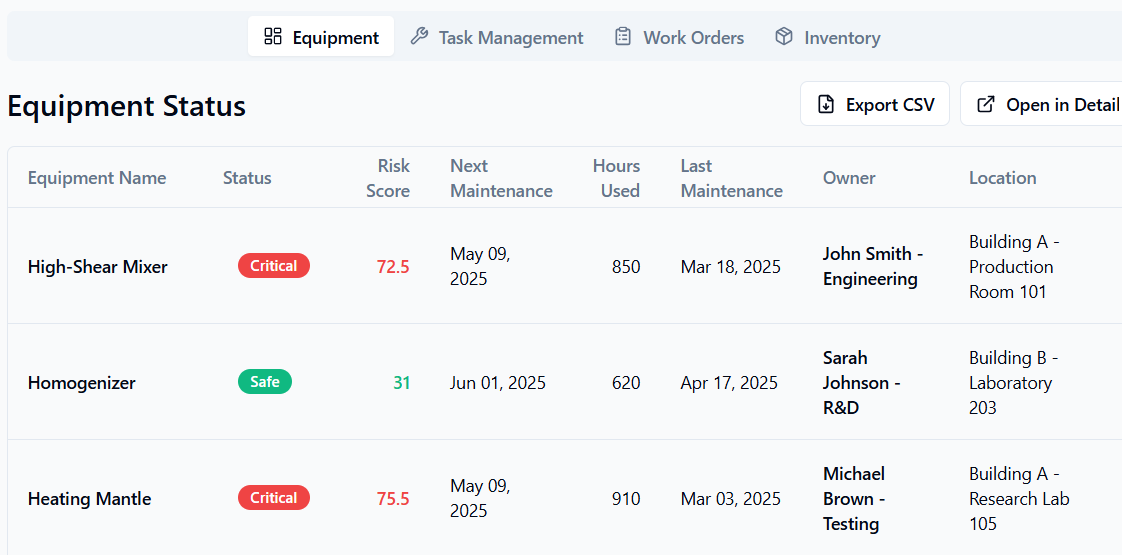
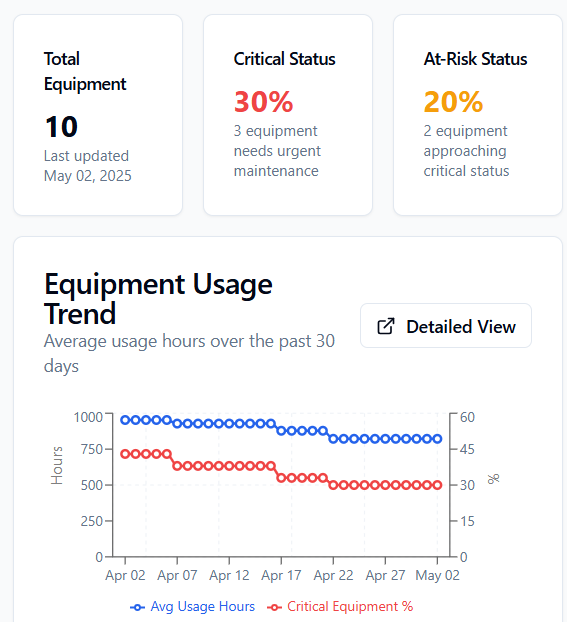
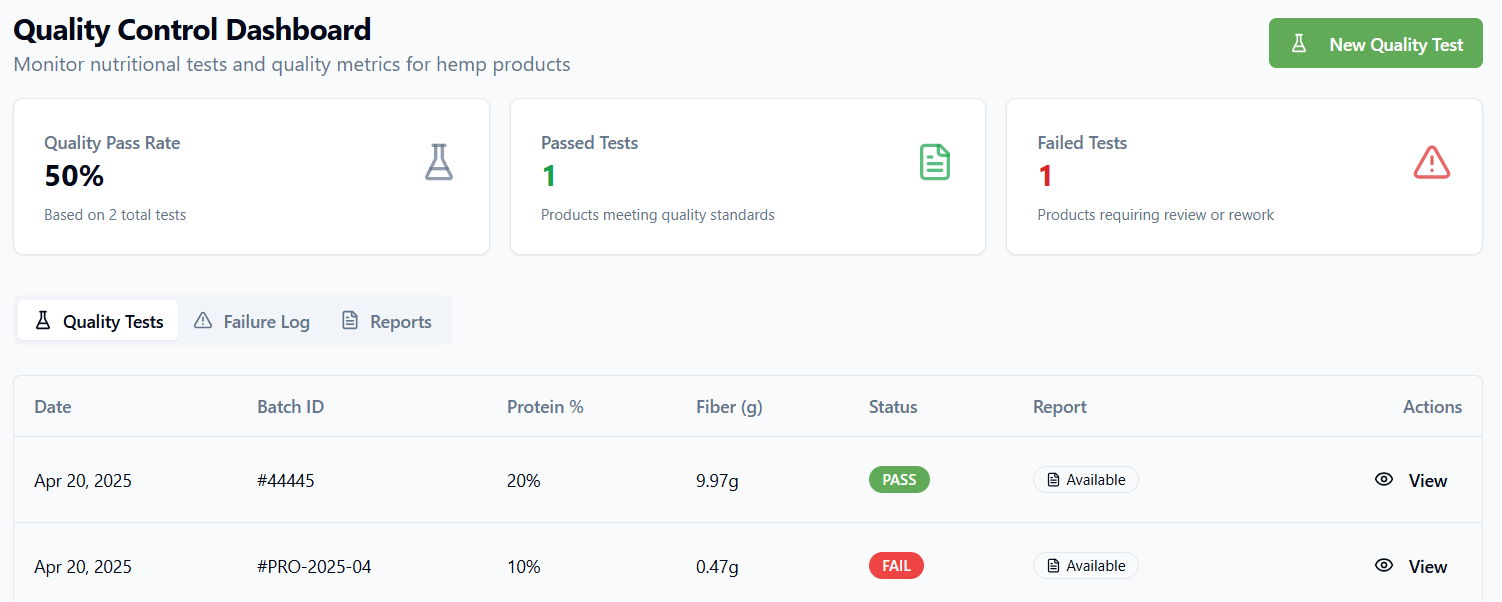
EquipMaintenX addresses critical pain points in the manufacturing and maintenance industry by transforming maintenance into a strategic asset. By minimizing unplanned downtime, reducing costs, and improving efficiency through predictive scheduling and automated notifications, it empowers businesses to maintain 95% uptime, extend equipment life, and comply with regulations. As a smart assistant for industrial operations, it bridges labor gaps, optimizes supply chains, and enhances safety, positioning manufacturers and facility managers for success in a competitive 2025 landscape.